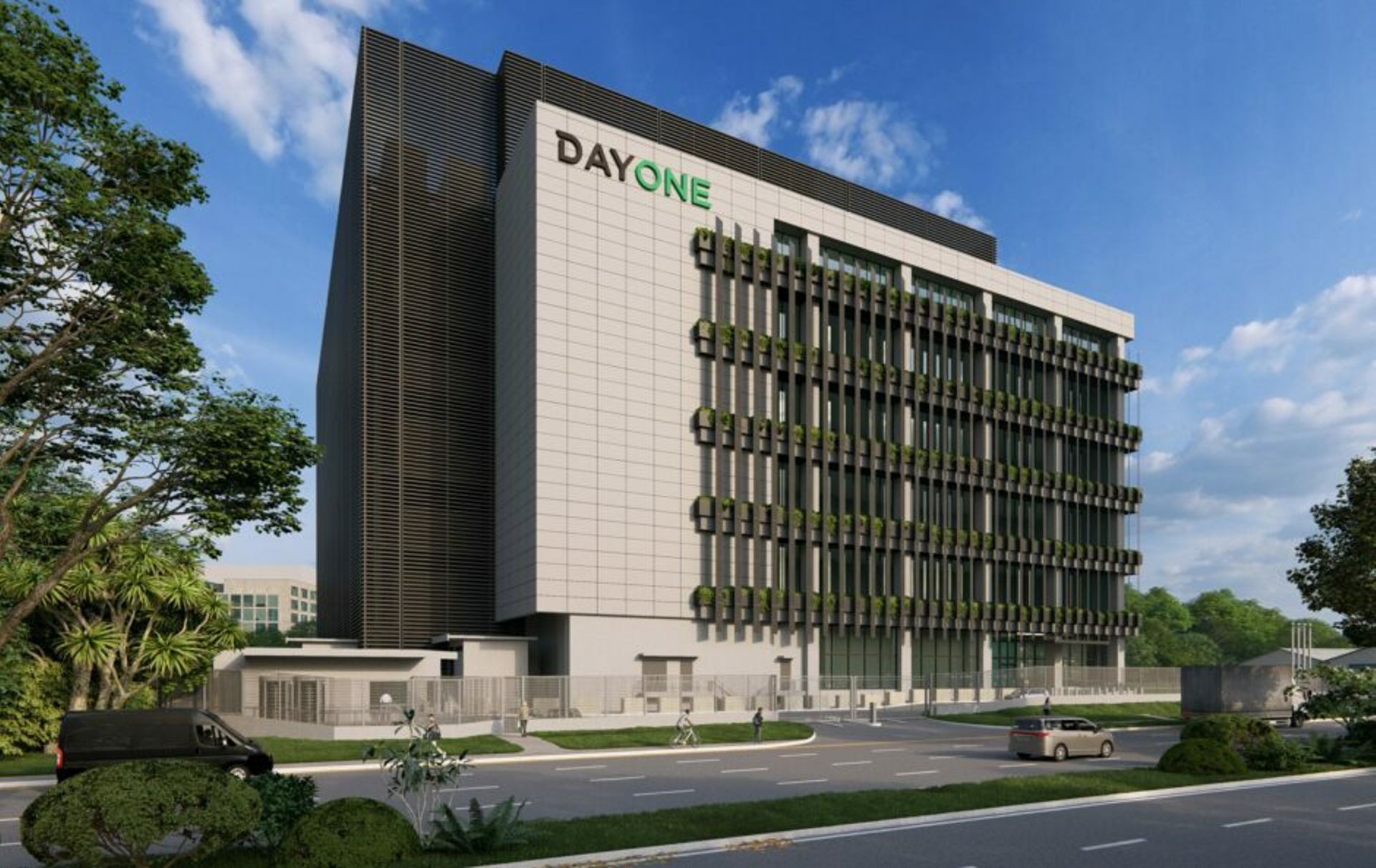
Singapore-headquartered data centre developer DayOne has shelved preparations for a multibillion-dollar US initial public offering (IPO) as investor appetite for AI-related infrastructure stocks faces growing scrutiny, Bloomberg reported.
DayOne, which is affiliated with China’s GDS Holdings and whose biggest customer is ByteDance, the Chinese owner of TikTok, had reportedly been targeting a fundraising of up to $5 billion, potentially in the fourth quarter of 2026.
According to the Bloomberg report, the company may still pursue an IPO in 2027 if market conditions improve.
DayOne filed confidentially for the IPO in October and appointed Morgan Stanley, JPMorgan Chase & Co., Bank of America Corp., Citigroup Inc., and BNP Paribas SA as underwriters for the proposed listing.
DayOne raised more than $2 billion in a funding round in January 2025, with proceeds earmarked for hyperscale campuses across Singapore, Southeast Asia, Japan, and Europe.
The Singapore-headquartered operator said the financing was among the largest private capital raises in the data centre sector to date.
The round was led by existing investor Coatue, with participation from new backers including the Indonesia Investment Authority, the country’s sovereign wealth fund.
In 2024, the company secured a combined $1.9 billion across its Series A and B rounds and lined up as much as 1 billion euros ($1.1 billion) in mezzanine financing from Brookfield and a sovereign investor in 2025.
Last month, the company secured an additional $3.67 billion in financing from a consortium of seven banks, including DBS Group and Standard Chartered to fund its expansion in Malaysia.
The financing, consisting of a $2.4 billion offshore term loan facility and 5.5 billion ringgit Murabahah facility, expands on a previously granted 15 billion ringgit loan in 2025.
DayOne also announced a strategic partnership in March with Melbourne-based biological computing startup Cortical Labs to develop Singapore’s first major biological data centre.
The partnership marked the first deployment of “wetware” computing in a bio data centre, a facility which uses living biological neurons grown from stem cells instead of silicon chips, outside of Australia.